
5-Part Campaign Blog Post
The Best Way to Teach Your Kid About Money
I think the first thing I learned about money was that it doesn’t grow on trees.
I must have been a little slow because my parents kept reminding me about that for much of my childhood.
And while it was good to know where it didn’t come from, it would have been most helpful had I known where it did.
It would be nice if there were classes in school about money, but very few schools teach financial literacy.
Because there’s a lack of formal instruction, it’s left up to kids to learn it where they can.
They watch and they listen to everything you say and do. They hear you when you grumble about something being too expensive, and they notice when you pay for their school clothes with a credit card.
They’re learning from you. You’re teaching your kid about money.
So, the question becomes, are they learning the right things? If not, here are some helpful things you should know.
Learning is a science and according to learning expert Annie Murphy Paul, humans are wired to learn from other people rather than finding out for themselves.
And making it fun is the key to learning. If it’s not enjoyable, and they walk away from it, nothing is learned.
According to the book, From Play to Practice: Connecting Teacher’s Play to Children’s Learning, “meaningful play” has five characteristics:
- It lets the child choose what they want to do.
- It’s fun and enjoyable to the child.
- It’s spontaneous, not scripted like a “lesson.”
- It’s driven by what motivates the child.
- It’s done in a risk-free environment so they can experiment and try new ideas.
It’s why teachers in middle and high schools frequently use educational games to help their students learn.
When the goal is teaching your kid about money specifically, Amanda L. Grossman, a Certified Financial Education Instructor encourages letting them handle actual cash.
She writes on her website moneyprodigy.com, “Kids care more about something when they know that it’s not a dress rehearsal. When they know that what they do matters. And when they can see the results from their own decision-making.”
Involving your kid in your household finances gives you an opportunity to discuss with them your money strategy.
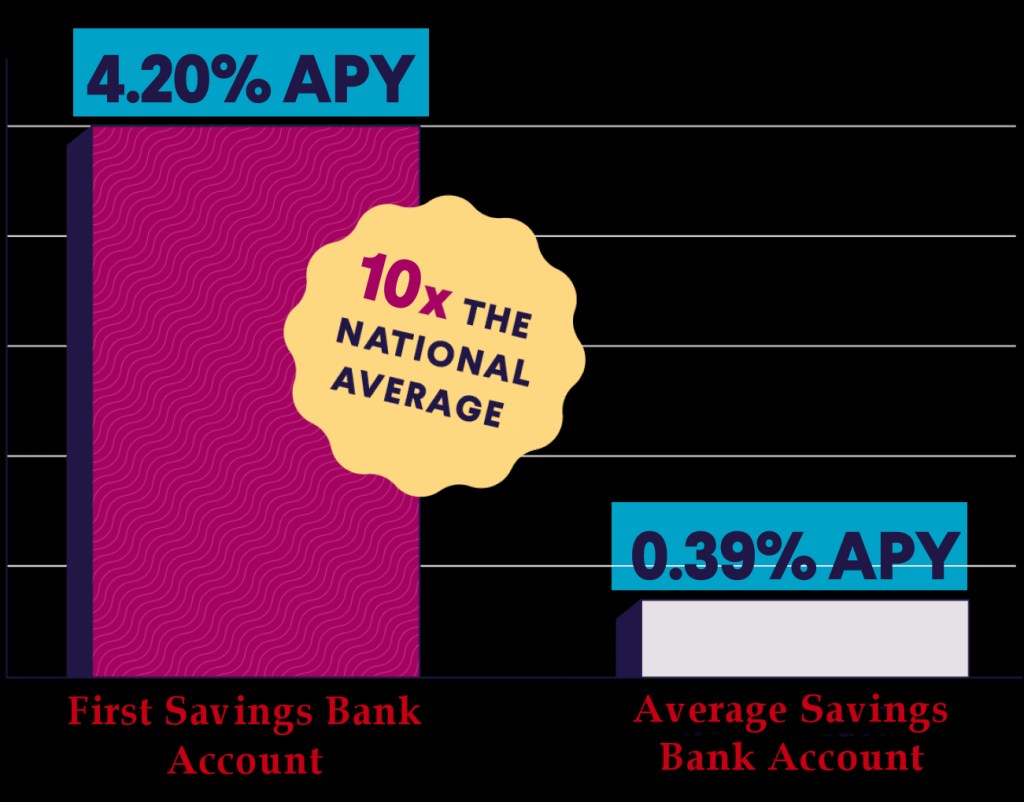
Shouldn’t your kid learn how having a savings account at the bank will help them afford the things they want from a new dress to a used car?
And by letting them shop for their savings account, they’ll have a better understanding of the importance of compound interest and making regular deposits.
Age is a major factor regarding what a kid learns about money and when they learn it. Keep in mind kids are only interested in what’s important to them at the moment.
A 12-year-old doesn’t have much interest in a 401K retirement plan, but they’re very interested in getting an allowance.
A sixth grader doesn’t need to know how to apply for a college scholarship, but they might want to start a savings account so they can save up for music lessons.
What if they want to earn extra money?

They’ll have to learn the difference between earning money for extra work versus doing chores that they might not get paid for. For instance, mowing the lawn might be considered a chore but washing the car or helping with the grocery shopping could earn them some extra money.
There will be things they want and things they need. And usually, they’re not the same.
They’ll need things like food, shelter, clothing, and medical necessities. There’s no way of getting around them. They’re all must haves.
Then, there are all the things they’ll want. That list is never ending…bicycles, pets, toys, all things electronic…you name it.
The trouble is, they all cost money. And affordability is an abstract concept that’s alien to kids.

So…What is the best way to teach your kid about money?
- Their school isn’t going to do it so it looks like it will be up to you.
- You’ll have to know how to make it fun. How to keep their interest so they’ll learn what you think they need to know. Please don’t think playing a game of Monopoly once a week will be any help. It might be fun but having a hotel on Atlantic Avenue won’t teach your kid financial literacy.
- You might want to start your kid off with an allowance. How much would be appropriate? Do you want them to spend it on candy or will you give them enough that they’ll have some to save?
- Can you explain the difference between style and fashion? How they can develop their own style affordably but will go broke chasing fashion.
- Finding the best way to teach your kid about money requires organization. On your part and on your kid’s part as well.
- You’ve got to be consistent. It’s a commitment that shouldn’t be taken lightly. You want them to know how important it is. Not just to them but to you, too. How many times do we start something and then life gets in the way? You can’t let that happen.
- Then you’ll have to reward them when they’ve learned something. We all need positive reinforcement. How much more does your kid need it? There’s no better way to incentivize learning.
It’s unlikely that you have all the knowledge necessary to teach your child everything they need to know to be a financially secure adult.
There is, however, help available.

What if you had an online resource that did it all?
One that’s fun, informative, age-appropriate, self-instructive, and affordable?
How about an online club that teaches your kid about money? One that’s highly recommended and designed for kids 10-years-old through their teens?
You don’t have to do this all by yourself.
Give it a look.
> > Click here for more information.
 James Rash Marketing